
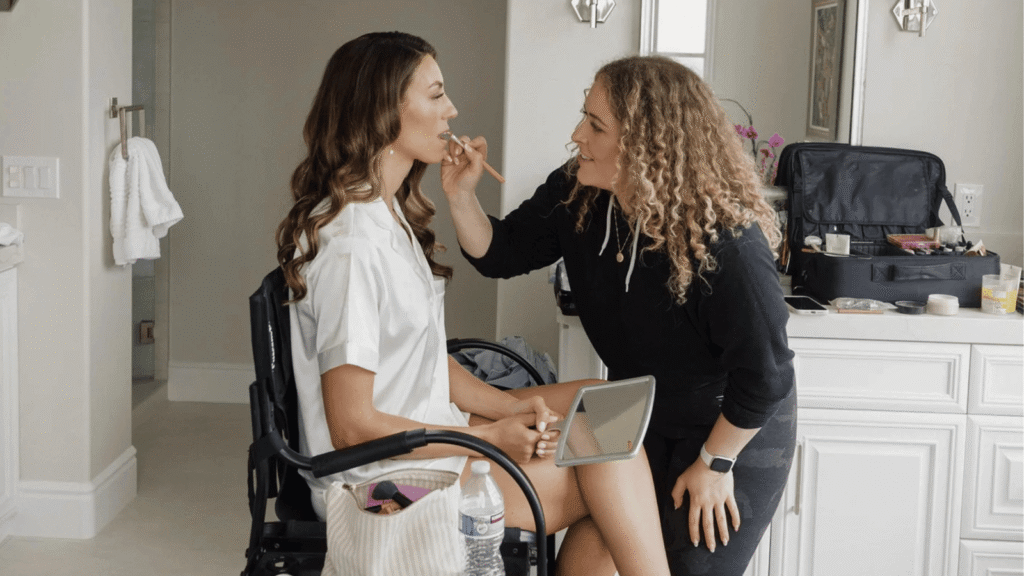
A strong shoot depends on the makeup artist and photographer working from the same plan. In short, the artist reviews the shot list and lighting plan before the shoot, builds the makeup around what the camera will capture, and stays on set to check and refresh the look. This guide explains how makeup artists coordinate with photographers on a shot list, and it draws on the commercial, editorial, and production approach of Brittany Brown, an Orange County makeup artist with 11+ years of hands-on experience. It is written for photographers, brands, and production teams who want makeup that supports the camera and keeps the schedule on track.
Brittany Brown Beauty offers commercial, editorial, and production makeup as its own service line, separate from bridal work. The approach is technical and camera-first: manage light, control pigment, keep texture smooth, and keep the result consistent from the first frame to the last. If you are wondering how that differs from wedding work, this breakdown of makeup for brand campaigns vs. bridal makeup explains what changes.
Why the Shot List Should Shape the Makeup Plan
A shot list tells the makeup artist what the camera will see. Wide lifestyle frames, tight beauty close-ups, and outdoor sequences each ask for different things from skin and color. When the artist knows the list in advance, she can plan the base, the finish, and the touch-up approach before anyone arrives on set.
Four technical areas guide that planning:
- Light absorption: Brittany works to neutralize shine and redness so high-resolution stills look clean and retouching stays simpler.
- Light management: The finish is planned so digital sensors do not over-highlight oily areas.
- Pigment control: Colors stay accurate under varying studio and natural light temperatures, so a shade reads the same way across setups.
- Texture smoothing: Skin texture is smoothed so it holds up in extreme close-up 4K video.
A fifth area, sustained durability, matters most for long sessions. Formula layering helps prevent makeup breakdown during extended outdoor shoots. Brittany cannot promise an exact wear time, so she provides continuous touch-ups on set rather than relying on the makeup alone.
Each of these depends on knowing what the camera will capture, and the shot list is where that information lives. A brand’s visual identity matters here too, since the palette, mood, and finish of the campaign shape what “right” looks like on camera. Her guide to matching makeup to brand identity in commercial projects covers that side of the planning.
What Coordination Looks Like
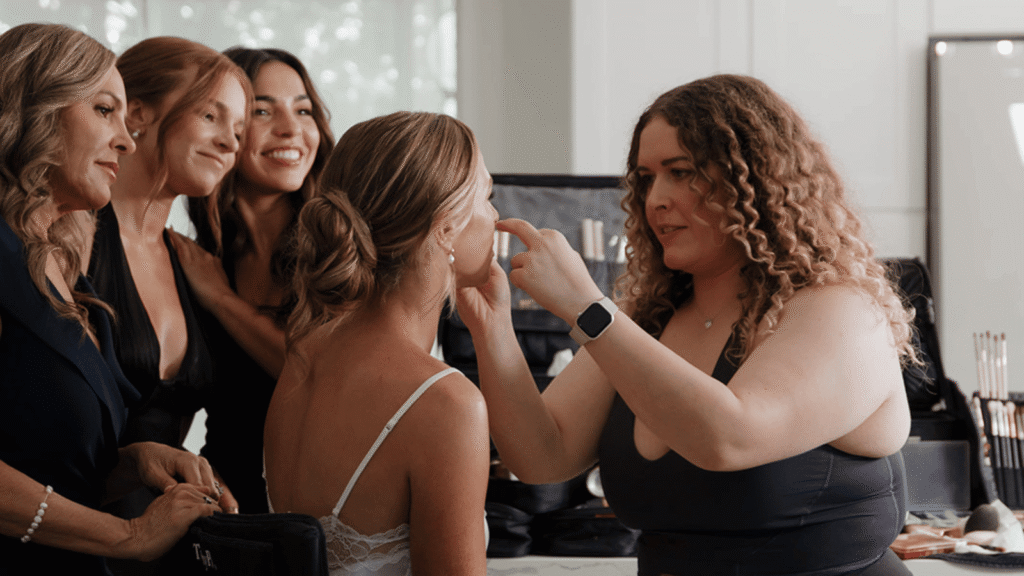
Good coordination starts before the shoot day. Brittany works with creative directors and photographers to understand the concept, the lighting, and the sequence of looks. On the day, she brings a complete professional station, including lighting and seating, so the makeup area does not depend on what the location provides.
Photographers often know the lighting better than anyone else on set, and sharing that knowledge helps the artist plan. For a photographer’s view of what is useful to share, see what photographers wish makeup artists knew about lighting.
Reviewing the List Before the Shoot Begins
The first step is a review of the shot list and the lighting plan. Brittany looks at the number of setups, the order of the frames, and the type of light in each one. She asks whether the shoot is in a studio or outdoors, and whether the frames are wide, mid, or tight.
That review shapes product choices. A close-up beauty frame needs smoother texture and tighter shine control. An outdoor lifestyle sequence needs a formula built to last through changing light and temperature. Photographers who share lighting diagrams, reference images, or mood boards give the artist more to work with.
Two topics come up often at this stage. For studio work, managing shine and light absorption for studio photography explains how skin responds under controlled lights. If color accuracy is a priority, pigment control and keeping makeup colors true under studio lighting goes deeper.
Planning Touch-Ups Around Shot Transitions
Touch-ups are easiest to fit in at natural pauses, such as a lighting change, a wardrobe change, or a move to a new location, so the crew does not lose time. During shooting, Brittany provides continuous touch-ups and monitors playback to confirm the makeup looks accurate on camera.
Playback matters because a mirror often does not show what the sensor sees. Checking the monitor lets her catch shine, color shifts, or texture issues early and correct them between frames.
Long days call for extra planning. If your shoot runs for many hours or spends a lot of time outside, long-wear techniques used in commercial makeup for full-day productions explains how layering supports the look. For location work specifically, see makeup for outdoor commercial and lifestyle shoots.
Flagging Continuity Needs in Advance
Continuity keeps a campaign cohesive. If a shoot spans several hours or several locations, the look needs to match from the first frame to the last. That is easier to manage when the artist knows about any look changes, repeated looks, or scenes that may be shot out of order before the day begins.
Photographers and creative directors can help by sharing the full sequence early. When the artist knows that a look will return later in the day, she can plan for it and keep it consistent.
How This Saves Time on Set
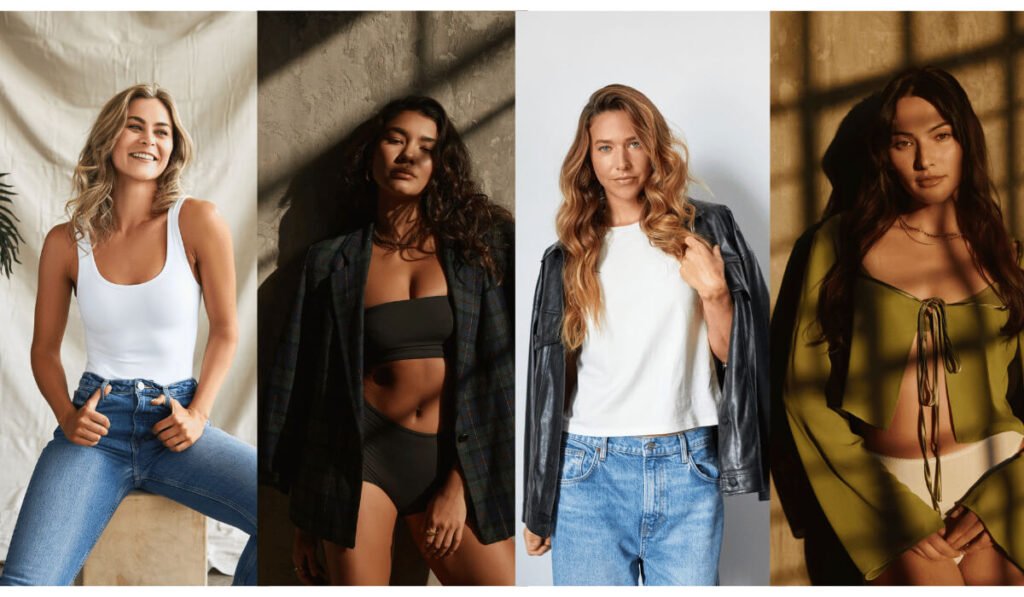
Coordination pays off in fewer interruptions. When the artist has reviewed the shot list, planned for touch-ups, and understood the continuity needs, the crew spends less time stopping to fix issues and more time shooting. Cleaner skin on camera also means simpler retouching afterward.
Close-up and video work benefit most from this kind of planning, because small texture or shine issues show up quickly at high resolution. Her guide to preparing makeup for 4K video and close-up content explains how she approaches it.
Logistics help too. Brittany arrives with a complete professional station and coordinates with the creative director on the lighting plan and shot list. At wrap, she handles talent cleanup and kit teardown efficiently, so the team can move on. Good set habits matter as much as technical skill, and on-set etiquette for makeup artists working with creative directors covers how that collaboration works.
Brittany’s work spans bridal, print, editorial, and production makeup, and one client has described her as someone who “does it all” for shoots and special events. You can see examples of her range in the portfolio, or read about her background and training.
Book Your Commercial Makeup Artist
If you are planning a lifestyle campaign, editorial shoot, or commercial production in Orange County and the surrounding area, bring Brittany in early. Share your concept, your shot list, your lighting plan, and your schedule, and she will build a makeup plan around them. To start the conversation, contact Brittany with your project details.
Frequently Asked Questions
Commercial and editorial work is camera-first and technical. The focus is on light absorption, pigment control, texture smoothing, and durability across a planned sequence of shots. Bridal makeup centers on a single person’s look and experience across one day. Brittany keeps these as separate services with different priorities.
Expect a review of the shot list and lighting plan before the shoot, and a complete professional station on set. During the shoot, Brittany provides continuous touch-ups and checks playback for visual accuracy. At wrap, she handles talent cleanup and kit teardown efficiently.
Brittany adjusts products and finishes to the lighting plan. She manages light absorption to control shine and redness, and uses pigment control so colors stay accurate under different light temperatures. Playback checks on set confirm the result before the next setup.
Close-ups call for texture smoothing that stays invisible in extreme close-up 4K video, along with tighter shine control. Product shots and full-body frames each bring their own priorities, such as color accuracy where skin sits near the product, or consistency across a wider view. Share what each frame will show, and Brittany will plan the makeup from the shot list.
Share the concept, the shot list, the lighting plan, and whether the shoot is in a studio or outdoors. Include the number of looks, any wardrobe changes, the expected length of the day, and reference images or mood boards. Flag any scenes that will be shot out of order so continuity can be planned.