
Most of us notice our own skin tone long before anyone else does. A flushed cheek, a shadow under the eye, or a patch of deeper pigment can feel like the only thing in the mirror, especially when a wedding, a family portrait, or a photoshoot is on the calendar. Corrective makeup for uneven skin tone and discoloration offers a practical answer. Instead of piling on heavy coverage, a skilled artist balances the tones you see, then builds a finish that still looks like skin.
This guide explains how that works. You will learn what commonly creates visible unevenness, how color theory and layering come together, and how to avoid the flat, mask-like result that makes many people wary of coverage. It also shows how to prepare for a session with Brittany Brown, a mobile makeup artist in Orange County who treats corrective work as a core specialty. The goal stays simple: you, but elevated.
What Causes Uneven Tone and Discoloration
Uneven tone is common, and it shows up in several forms. Makeup artists see the same visible patterns again and again:
- Redness around the cheeks, nose, or chin
- Bluish or brownish shadows under the eye
- Brown or grayish patches that look deeper than the surrounding skin
- Faded marks left behind after breakouts
- A noticeable difference between the tone of the face, neck, and chest
Everyday factors such as sun exposure, irritation, and the natural changes skin goes through over time often play a role. Mature skin can bring several of these together, along with fine lines and texture that make heavy products look more obvious.
Redness deserves special care. If your skin is reactive, the approach to products and technique changes, which is covered in this guide to bridal makeup for sensitive skin and rosacea-prone skin. Fair, cool-toned complexions often show redness more easily too, and the tips in makeup for redheads and fair cool-toned complexions apply here. If your unevenness comes from past breakouts, you may also find bridal makeup for acne scarring and uneven texture helpful.
A quick note on scope: makeup changes how skin looks in the moment. It does not treat or diagnose a skin condition. If you have questions about a mark, a sudden change, or a persistent concern, a licensed medical professional is the right person to ask. A makeup artist’s job is to work with the skin you have on your event day and help you feel confident in it.
Correction Techniques
Correction works in stages. The artist reads your skin in good light, neutralizes the areas that need it, and then evens out the overall surface so the result looks natural in person and in photos. Each stage stays light, which is what keeps the finish believable.
Color Theory for Neutralizing Discoloration
Color correction rests on the color wheel. Opposite shades cancel each other out, so the right tint placed over a discolored area reduces how much it shows through your foundation. Artists commonly use these pairings:
- Green to calm redness
- Peach or orange to soften blue and purple tones, such as under-eye shadows (deeper skin tones usually need a warmer, more orange shade, while lighter skin tones often respond to peach)
- Yellow to soften purple tones
- Pink or soft peach to warm areas that look gray or sallow
Brown patches follow the same logic. A peach or orange tint, chosen to suit your skin depth, can soften deeper pigment so it does not show through your foundation. For a closer look at this, read corrective makeup for scarring and hyperpigmentation.
Restraint matters more than the product itself. A correcting shade goes only where the discoloration sits, in a very thin layer, and the artist blends the edges until they disappear. Too much corrector can look ashy or leave a visible patch, which defeats the purpose.
This approach matches how Brittany describes her own work: “Little subtle changes on the skin can be very powerful.” A small, precise adjustment in the right spot often does more than a full face of heavy coverage.
Layering for Even Coverage
Layering is where correction becomes a complete look. The order matters, and each step stays thin.
- Skin prep first. Skincare and primer create a smooth, comfortable surface. Unhurried prep gives every later layer a better foundation to sit on.
- Targeted correction. The artist applies color correctors only to the areas that need them.
- Foundation matched to your skin. A good match blends the face into the neck and chest, so your tone looks consistent from the jawline down. If you want to understand your options, see the guides on foundation types for bridal makeup, matching makeup to your skin undertone, and choosing the right foundation shade.
- Concealer only where needed. Rather than covering the whole face, the artist places concealer on the spots that still need brightening or softening.
- Light setting. Gentle setting locks the layers in place without drying the look out.
Building thin layers also protects the finish on mature skin. Formulas that look beautiful on younger skin can settle into fine lines or look heavy on a more mature complexion. A lighter hand, a careful product choice, and a focus on hydration help the makeup move with your face instead of sitting on top of it.
Southern California conditions matter here too. Heat, humidity, and sea air can break down layers that were applied too heavily, which is another reason thin, well-chosen layers hold up better over a long day. If your skin has texture, long-wear makeup techniques for textured skin explains how to keep the finish smooth for hours.
Avoiding a Mask-Like Finish
Many people fear that evening out their tone will leave them looking painted. The fix is to protect what makes skin look alive. Several habits help:
- Let some skin show through. Even tone does not mean zero texture or zero variation. A soft, real-looking finish often looks more natural in person and in photos than a flawless-looking one.
- Put the dimension back. After correction, soft shadows, subtle highlights, and warm bronzed contour restore shape and glow. This is the heart of the no-makeup-makeup look.
- Keep the eyes and cheeks balanced. Sculpted, softly defined eyes and a hint of cream color on the cheeks draw attention to your features instead of your coverage.
- Check the result in real light. What looks even under one light can look different under another, so the artist reviews the finish in the lighting you will actually stand in.
The idea mirrors the brand’s guiding belief: enhance, don’t mask. You can see how natural, glowing finishes look on real clients in the bridal and print portfolio.
Why This Is a Genuine Area of Expertise, Not an Afterthought
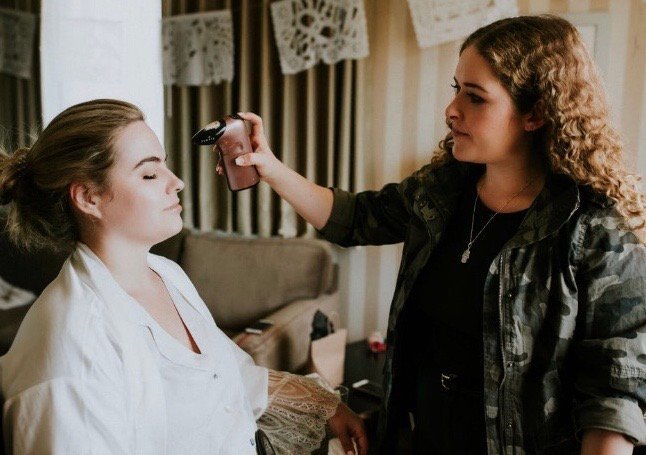
Corrective makeup is not a bonus step tacked onto a standard application. It takes a trained eye, a deep understanding of color, and the judgment to know when to do less. If you want a broader introduction, corrective makeup: what it is and who it’s for covers the basics. Brittany describes it as an intuitive strength. In a published interview, she said, “I specialize in corrective beauty makeup, bridal makeup, print makeup, and mature makeup,” and added, “Corrective beauty makeup comes naturally to me. I don’t have to think about it; I just do it.”
That instinct comes from experience. Brittany has worked professionally in makeup for more than 11 years, beginning with her first test shoot in 2014. She trained at Empire Academy of Makeup in Orange County and has been featured in Voyage LA Magazine and SDVoyager. You can read more about her background on the About page.
She also loves working with mature clients. As she put it in an interview, “I love to make moms, aunts, grandmas…etc feel beautiful and special as well.” That matters if you are a mature bride, a mother of the bride or groom, or anyone who wants an artist who understands how technique should adjust for skin that has more history. Her clients often describe the result in similar words. One bride wrote, “I felt like myself but elevated.”
Plan Your Corrective Makeup Session
Planning ahead helps Brittany create a makeup look that suits your skin, event, and personal style. Start by sharing the areas you’d like to even out, your outfit, event details, and the look you have in mind. A makeup trial gives her time to test products on your skin, make adjustments, and address any sensitivities, reactions, or recent treatments. You can read more about what happens during a bridal makeup trial to know what to expect.
Keeping your skincare routine consistent at least four weeks before your event can also help prepare your skin. Avoid new products or treatments during the final 10 days, and stay hydrated, especially during warmer months. Bringing inspiration photos of makeup looks you like can help Brittany understand your preferences and create a result that feels natural and polished.
Brittany offers mobile makeup services and brings her complete professional kit, including studio-quality lighting and seating, directly to your location. Setup typically takes 15 to 20 minutes, while bridal makeup takes around 60 to 90 minutes and bridesmaid applications take 45 to 60 minutes each. For larger bridal parties, she brings additional artists to help everyone finish on schedule. Brides also receive a complimentary touch-up kit with lipstick, powder, and blotting sheets.
Wedding dates are secured with a signed contract and deposit, so reaching out as soon as your event details are confirmed is recommended, especially for spring and fall weekends.
Corrective makeup works best when it respects your skin and enhances what is already there. You can explore Brittany’s portfolio for inspiration, visit her About page to learn more about her training and background, or browse Brittany Brown Beauty to explore her services.
Click below to schedule an online consultation and discuss your corrective makeup needs.
Frequently Asked Questions
Standard bridal makeup focuses on creating a polished, photo-ready look overall. Corrective makeup adds a more targeted first step: the artist reads the specific tones in your skin, neutralizes the areas that need it, and then builds the rest of the look on that balanced base. The finish still feels natural, but it takes more precision and a trained eye for color.
The best products depend on your skin, your tone, and the discoloration you want to soften. Artists typically use color correctors in shades that offset specific tones, a foundation that matches your skin closely, and a light setting step. Brittany chooses formulas for your individual skin and for Southern California conditions such as heat, humidity, and sea air. A trial lets her test those choices on your actual skin before the big day.
Reach out as soon as your date and venue are set, since popular dates book well in advance. Aim to schedule the trial early enough to leave room for adjustments, and before the final 10 days when you should avoid trying new skincare products or treatments. Brittany can recommend the best timing for your event when you get in touch.
Precision replaces volume. Instead of covering your whole face with one thick layer, the artist places small amounts of corrector exactly where tone needs balancing, then uses thin layers of foundation and concealer. Soft shadows, subtle highlights, and warm contour restore dimension, so the skin keeps its natural look and glow.
Color correction uses opposite shades on the color wheel to cancel unwanted tones, such as green for redness or peach for bluish shadows. Layering then builds an even surface in order: skin prep, targeted correction, matched foundation, spot concealing, and light setting. Each layer stays thin, which keeps the result balanced and believable up close and in photos.