
Outdoor production days leave little room for guesswork. Light shifts by the hour, wind moves hair and makeup, and talent may be on camera for long stretches. For photographers, brands, and production teams, makeup has to hold up technically as well as look good. Brittany Brown Beauty is a mobile artistry business based in Orange County, California, and Brittany Brown brings more than 11 years of professional experience to commercial, editorial, and lifestyle work. This guide explains how outdoor shoots differ from studio sessions and how makeup is planned around them.
How Outdoor Shoots Differ From Studio Work
A studio gives you control over lighting, temperature, and setup, making it easier to maintain consistency from frame to frame. Outdoor shoots present different challenges. The sun shifts throughout the day, clouds change the quality of natural light, and wind and heat affect both the talent and how makeup performs on their skin.
That changes how makeup is built. Studio makeup can be tailored to a specific lighting plan. Outdoor makeup needs to work across different lighting conditions while remaining consistent from the first frame to the last. A look that reads well in open shade can look different in direct sunlight, so the base, finish, and color choices all need to account for those changes.
The intended format matters, too. High-resolution stills and close-up 4K video reveal details that may be less noticeable in person. Makeup for this kind of work is camera-first, meaning decisions about finish and texture must account for how the skin will appear on screen, not just how it looks in a mirror. My guide to preparing makeup for 4K video and close-up content explains why precision matters when the camera captures fine details.
Eye makeup deserves particular attention during close-up work. Placement, blending, and definition can look different on camera, especially when working with hooded or mature eyes. My guide to eye makeup techniques for hooded or mature eyes explores ways to adapt application to different eye shapes and features.
The creative brief also influences the approach. Makeup for a brand campaign needs to support the intended visual identity, while bridal makeup is generally planned around an individual’s preferred look and the demands of a wedding day. For a closer comparison, read makeup for brand campaigns vs. bridal makeup: what changes.
Brittany’s approach to commercial work is covered in more detail in her post on commercial makeup for photoshoots. The core technical priorities remain consistent across studio and outdoor jobs:
- Light absorption: Managing shine and redness so skin reads cleanly in high-resolution stills and requires less corrective work in post-production. This is explored further in managing shine and light absorption for studio photography.
- Light management: Controlling unwanted shine so oily areas do not appear excessively reflective on camera.
- Pigment control: Keeping makeup colors accurate as lighting conditions and color temperatures change. Read more about pigment control under studio lighting.
- Texture smoothing: Building a finish that looks natural in close-up 4K video without unnecessary product buildup.
- Sustained durability: Layering formulas and using finishing techniques suited to long outdoor sessions.
Building a Look That Holds Up Outdoors
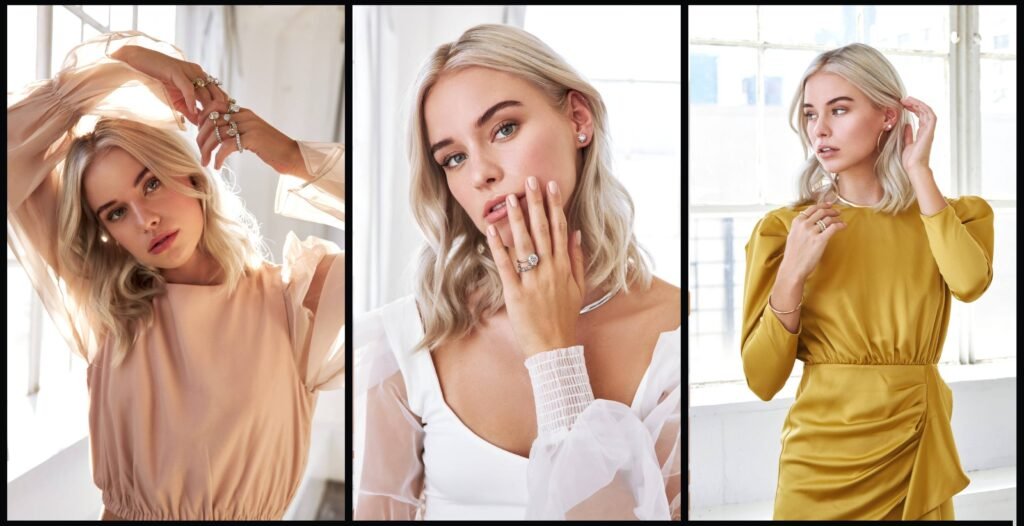
Outdoor durability is not about one product or one step. It comes from preparation, layering, and a plan for how conditions may change throughout the day. The creative brief, talent’s skin, and intended camera work all influence how the makeup is built.
Brand identity is another important consideration. Colors, finishes, and the overall makeup direction should support the campaign rather than distract from it. My guide to matching makeup to brand identity in commercial projects explains how the creative direction can inform makeup choices.
The three areas below are where many outdoor production challenges begin.
Managing Natural Light Changes Through the Day
Natural light is one of the biggest variables on an outdoor set. Morning, midday, and late-afternoon conditions can differ in intensity and color, while cloud cover can change the appearance of the scene within minutes. These shifts can affect how skin tone, shine, and makeup pigment appear on camera.
Pigment control is an important part of managing these changes. Makeup colors need to remain appropriate for the lighting so the complexion does not appear unexpectedly warmer, cooler, or flatter between setups. Shine control addresses the other side of the problem. Oily areas can catch the light and appear over-highlighted on a camera sensor, so I manage the finish with the intended image in mind.
Communication with the production team makes this work more manageable. Reviewing lighting plans and shot lists before the day helps me prepare for the actual schedule instead of relying on last-minute adjustments. Photographers often have specific considerations about lighting, and Brittany’s post on what photographers wish makeup artists knew about lighting explores that working relationship.
Clear communication also extends to creative directors. Understanding the visual brief, taking direction professionally, and communicating any practical concerns helps the beauty team work efficiently alongside the rest of production. For more on this, see on-set etiquette for makeup artists working with creative directors.
During the shoot, makeup can be checked against camera playback when available. This helps the team assess the actual recorded image rather than relying solely on how the makeup looks in person. Touch-ups between setups can then address visible changes and help maintain consistency.
Sustained Durability for Long Shoot Days
Long days put steady demands on makeup. Talent may be outdoors for hours, changing wardrobe, moving between locations, and working under warm or shifting light. Durability comes from selecting suitable products, layering them carefully, and planning for touch-ups.
The process starts with the skin. Skincare, primer, and base preparation come first, and I do not rush that step because it creates the surface everything else depends on. Thin, deliberate layers follow, with finishing and setting techniques applied last to support the overall look.
The right approach depends on the individual. A product that works well for one person’s skin may not be the best option for another. I take the talent’s skin, the shoot conditions, and the intended finish into account when planning the application.
No honest artist can promise a specific number of hours of wear because skin, weather, and activity all play a part. What I can provide is a plan built around the job, thoughtful product selection, and touch-ups during the day to help maintain the intended appearance.
For a deeper look at this part of the process, see Brittany’s post on long-wear techniques used in commercial makeup for full-day productions.
Adjusting for Wind and Temperature
Wind and temperature affect outdoor makeup in different ways. Heat can increase shine and influence how products wear. Cooler or dry conditions can make skin texture more noticeable. Wind moves hair across the face, carries dust and debris, and can contribute to discomfort during a long session.
Southern California adds its own conditions. Coastal humidity, sea air, and direct sun are part of working in Orange County and San Diego, and product selection should reflect the setting. Primers, bases, and finishing products are chosen to suit the individual’s skin and the conditions expected on the day rather than relying on one fixed routine for every shoot.
A few practical details help the production team prepare:
- Share the location and expected conditions ahead of time, including shade, sun exposure, and wind.
- Flag wardrobe changes and location moves that may affect touch-up timing.
- Communicate any known skin sensitivities, previous reactions, or recent treatments for talent so products can be selected carefully.
- Confirm the call time, shooting schedule, and expected wrap time so the makeup plan matches the production.
- Allow time between setups for checking makeup and making necessary adjustments.
These details help keep the work organized without assuming that outdoor conditions will remain unchanged throughout the day.
What Brittany Brown Beauty Brings to Outdoor Production Days
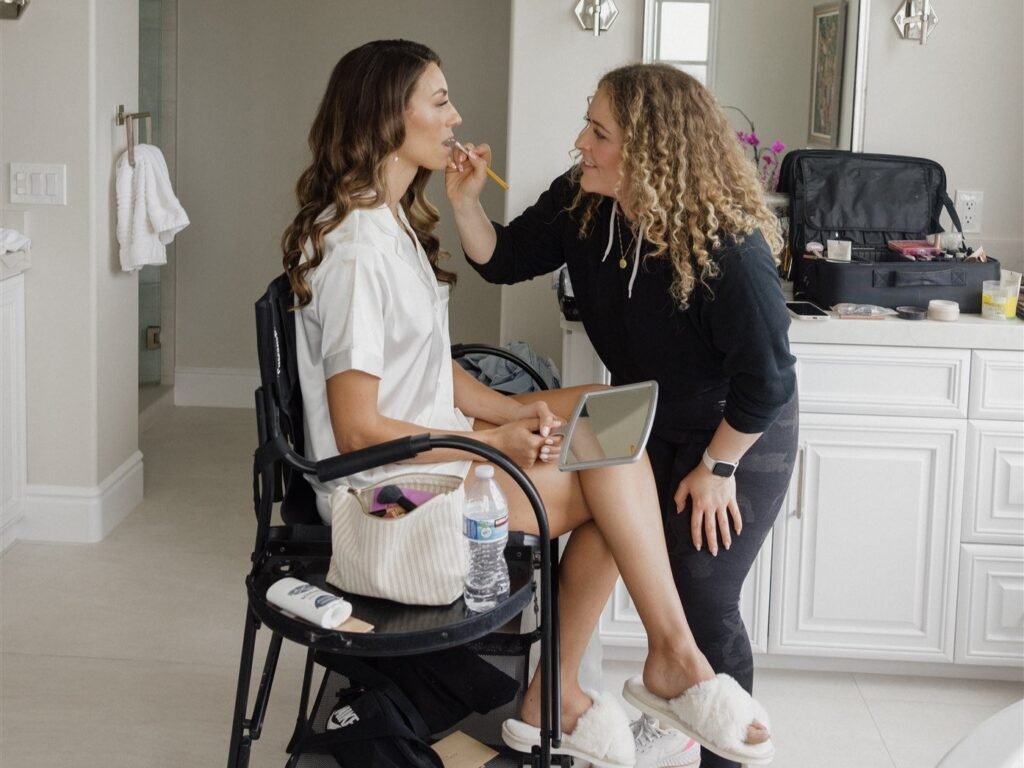
Because the business is fully mobile, the artist and a complete professional kit travel to the set. That includes a professional station with lighting and seating, so the makeup area does not depend entirely on whatever infrastructure the location happens to offer. The station provides a consistent place to prepare skin, apply makeup, and check the work, even on an uncontrolled outdoor set.
The production workflow covers several stages, from preparation through wrap. If you are planning your first commercial beauty shoot, what happens behind the scenes of a commercial beauty shoot offers additional insight into how the process fits together.
On the day, the workflow includes:
- Pre-production coordination: Reviewing the creative brief, shot list, lighting plans, schedule, and relevant direction from the production team.
- Skin and base preparation: Preparing the skin carefully before the first setup.
- Application and setting: Building the look around the talent, creative direction, and expected conditions.
- Ongoing touch-ups: Checking the makeup between setups and reviewing playback when available.
- Wrap: Coordinating any agreed talent cleanup and packing away the kit efficiently.
This process helps align makeup with the production’s creative and practical needs. It also provides a clear structure for communication when the schedule, lighting, or conditions change.
Brittany’s background supports this work. She has more than 11 years of professional experience, trained at Empire Academy of Makeup in Orange County, and has specialized in print makeup and corrective beauty makeup. Her work has been featured in Voyage LA Magazine and SDVoyager.
You can read more about her background on the About page and see examples of her work in the portfolio.
Plan Your Commercial Makeup
Planning an outdoor commercial or lifestyle shoot? Let’s discuss the creative brief, location, talent, and production schedule so the makeup approach fits the demands of the project.
During the initial conversation, it helps to share your shoot date, location, call time, expected wrap time, number of talent, and any planned wardrobe or location changes. Lighting references, a shot list, and brand guidelines can also help clarify the intended finish and how the makeup needs to appear on camera.
With more than 11 years of professional experience across bridal, print, commercial, and editorial work, Brittany Brown takes a considered approach to makeup preparation and application. The goal is to support your creative direction while taking the talent, shooting conditions, and camera requirements into account.
For production inquiries, contact Brittany Brown Beauty with your shoot details and schedule to discuss availability and the requirements of your project.
Frequently Asked Questions
Commercial makeup focuses on how the skin, colors, and textures appear on camera across a production. Changing outdoor light can influence photographs and video, so shine, pigment, and consistency need close attention. Bridal makeup usually centers on one person’s preferred look and the wedding-day conditions, while commercial makeup must also meet the creative brief and maintain consistency across multiple shots and lighting setups.
Expect a professional setup and coordination around the production requirements. Before the shoot, share the lighting plan, shot list, location, schedule, wardrobe changes, and creative direction. During production, makeup may need checks and touch-ups between setups. Clear communication in advance helps the artist prepare for the day’s demands.
Lighting conditions influence how makeup appears on camera. I consider color accuracy as the light changes and manage shine to help prevent oily areas from looking overly reflective. Product choice and application also take the talent’s skin and the intended finish into account. When playback is available, it can help assess the makeup in the recorded image throughout the shoot.
Careful preparation, layered application, appropriate finishing techniques, and regular touch-ups can help makeup maintain a consistent appearance during a long shoot. However, wear varies with skin type, weather, and activity. I plan the approach around the schedule and expected conditions rather than promising a specific number of hours.
Please share the shoot date, location, call time, and expected wrap time. Include the number of talent, planned wardrobe or location changes, and any lighting references or shot lists available. Details about sun exposure, wind, and other outdoor conditions are helpful, too. Finally, communicate any known skin sensitivities, previous reactions, or recent treatments that are relevant to product selection and application.