
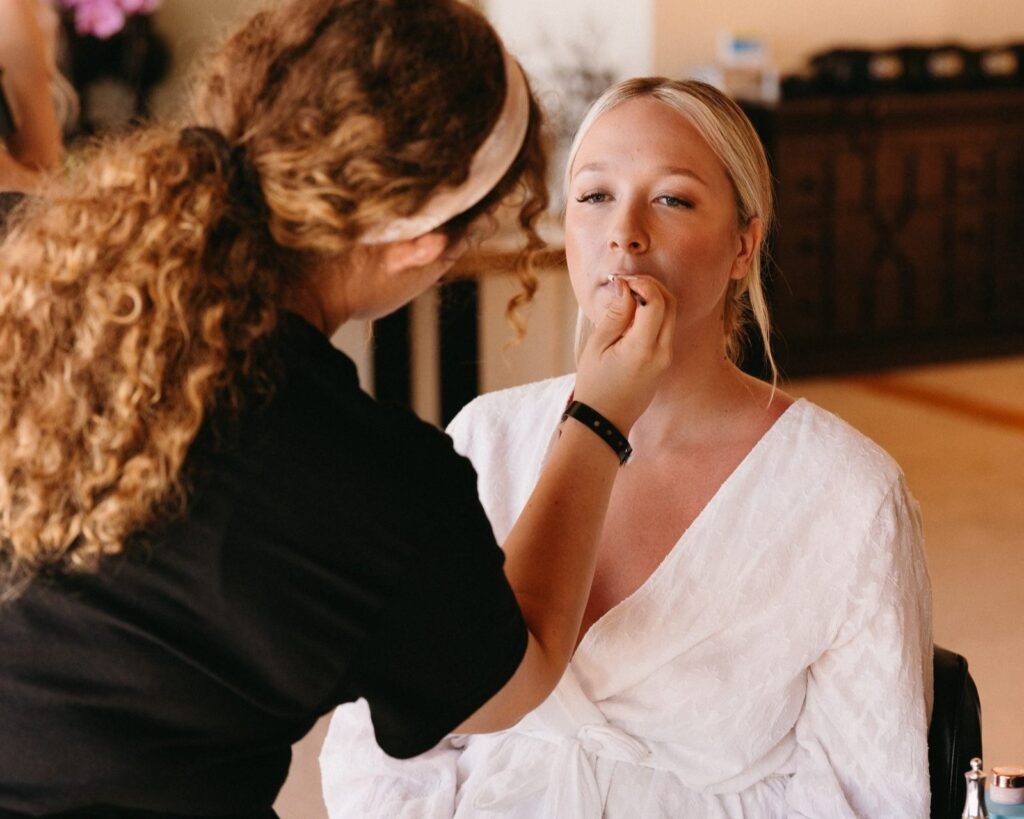
If your skin flushes easily, reacts to new products, or tends toward redness, wedding planning can bring an extra layer of worry. You may wonder whether makeup will feel comfortable for hours, whether redness will show in photos, and whether anything could go wrong on a day you cannot repeat. Those concerns are understandable, and careful preparation can help you feel more confident.
With more than 11 years of hands-on bridal experience in Orange County, I have worked with many different skin types and sensitivities.
At Brittany Brown Beauty, I believe in enhancing your natural beauty rather than masking it, so you look like yourself, but elevated.
This guide is educational and focuses on makeup appearance and comfort. It is not medical advice. If you have questions about rosacea, persistent redness, or another diagnosed skin condition, speak with your doctor or a qualified skincare professional before your wedding.
Why Sensitive and Rosacea-Prone Skin Needs a Gentler Approach
Skin that reacts easily calls for extra care at every step. Redness may become more noticeable, some products may feel uncomfortable, and heavy layers can make the complexion appear less even. Heat, sun exposure, and a long wedding day may also influence how your skin looks and feels.
I do not diagnose or treat skin conditions, and I do not claim that any makeup product is safe or suitable for everyone. What I can do is take time to understand your concerns, assess how your skin looks on the day, and build a makeup look around your needs and preferences.
A gentler makeup approach often involves:
- Choosing products carefully rather than applying unnecessary layers.
- Building coverage gradually instead of using a heavy base.
- Taking time with skin and base preparation on the wedding morning.
- Testing the makeup during a bridal trial before the big day.
- Discussing previous product reactions and any known sensitivities in advance.
Heavy coverage can draw attention to texture and create a mask-like finish. A softer approach can help the complexion look more even while preserving its natural appearance. The aim is not to hide your skin completely, but to create a finish that looks polished and feels comfortable.
Building a Comfortable Makeup Base
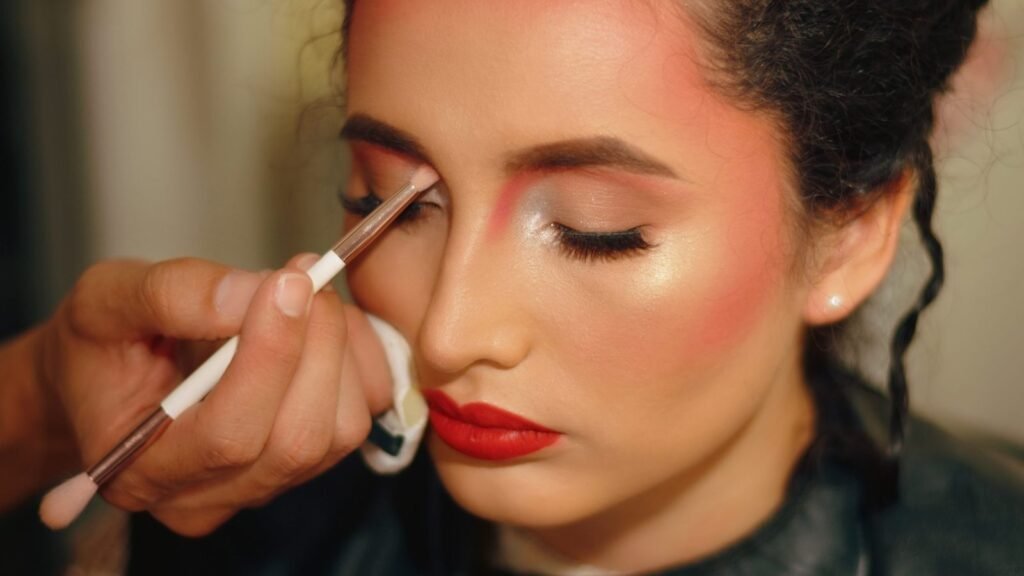
A comfortable-looking base starts well before makeup touches your face. On your wedding morning, I begin with skincare, primer, and base preparation, and I take that step slowly on purpose. A well-prepared surface helps subsequent makeup layers apply more evenly.
You can support that result in the weeks before your wedding. My guide on how to prep your skin 30 days before your wedding walks through the preparation timeline in more detail.
Here is the preparation I recommend discussing as part of your wedding plan:
- Maintain a consistent skincare routine in the weeks before your wedding.
- Stick with products your skin already tolerates comfortably.
- Avoid introducing new skincare products and treatments during the final 10 days.
- Stay hydrated, especially during the week leading up to the event.
- Avoid picking at your skin or trying an unfamiliar last-minute fix.
Dryness and flaky patches can make foundation appear uneven or cling to certain areas. If that is one of your concerns, my guide to skin prep for dry or flaky patches before your wedding offers additional advice on preparing your skin before makeup application.
If you have persistent irritation, active flare-ups, or concerns about changing your skincare routine, check with a qualified skincare professional rather than experimenting with new treatments just before the wedding.
Color-Correcting Redness
Color correction can help neutralize the appearance of redness so your foundation does not have to cover it with thick layers. I use a small amount of a suitable correcting shade where needed, blend the edges carefully, and apply a lighter base over the top.
Here is how I approach this step:
- Identify the areas: I look at where redness appears, such as the cheeks, nose, or chin.
- Apply selectively: A small, precise amount can be more effective than spreading product across the entire face.
- Blend the edges: The corrector should blend into the skin without a visible line.
- Build coverage gradually: I add thin layers of foundation where more evenness is needed.
- Keep the finish natural: The goal is a polished complexion rather than a flat or mask-like appearance.
Little, subtle adjustments can make a meaningful difference. Rather than concealing the entire face, I focus on the specific areas that benefit from additional coverage.
If you want to explore how makeup techniques vary across different skin concerns, read my guide to the best bridal makeup for oily, dry, and acne-prone skin.
Choosing Products With Care
When skin reacts easily, product choice and communication matter. I do not make blanket claims about any formula, and I do not promise that a particular ingredient or product will suit every person. Instead, I consider your existing routine, previous experiences, skin preferences, and the finish you want.
You can help by sharing what you already know about your skin:
- Make a note of products or ingredients that have caused problems in the past.
- Tell me if you prefer products without added fragrance so we can discuss appropriate options.
- Bring information about your current skincare routine.
- Mention whether you have noticed changes in how your skin responds to heat, sun, or other environmental conditions.
- Ask about any makeup product or technique you are uncertain about.
If you have a diagnosed condition or a history of significant reactions, discuss product suitability with your healthcare professional. A makeup trial can help us assess the appearance and comfort of your chosen products, but it cannot guarantee that a product will never cause a reaction.
I would rather hear about a concern during the planning stage than discover it on your wedding morning. An open conversation gives me more time to adapt the makeup approach thoughtfully.
What to Discuss at Your Bridal Makeup Trial
The bridal trial is one of the most useful planning steps when you have sensitive or rosacea-prone skin. I strongly recommend one because it allows us to test the look, make adjustments, and discuss your preferences before the wedding day.
My post on what happens during a bridal makeup trial explains the process in more detail.
Please tell me about the following at your trial:
- Any skin sensitivities, previous reactions, or recent treatments.
- Areas where your skin becomes red, feels tight, or tends to look uneven.
- Previous experiences with makeup that felt heavy or uncomfortable.
- Features you love and want to highlight.
- Areas you prefer not to emphasize.
- Photos of your dress, hairstyle, and makeup looks you admire.
Honest feedback is important. If the makeup feels too heavy, the coverage looks different from what you expected, or the finish does not feel like you, let me know so we can discuss adjustments.
It is also useful to explain your vision clearly. You do not need professional makeup terminology to do this. Reference photos, details about your preferred coverage, and examples of looks you dislike can help communicate your expectations. My guide to how to explain your vision to your makeup artist during a trial offers practical tips for making that conversation easier.
After your trial, pay attention to how your skin feels and looks. If you notice a concern, contact me so we can discuss the makeup plan. If you experience a suspected skin reaction, seek appropriate medical advice rather than continuing to test the product yourself.
Several brides have told me they want to feel like themselves, but elevated. That feeling starts with knowing your concerns have been heard and your preferences have been considered.
Managing Skin Changes on the Wedding Day
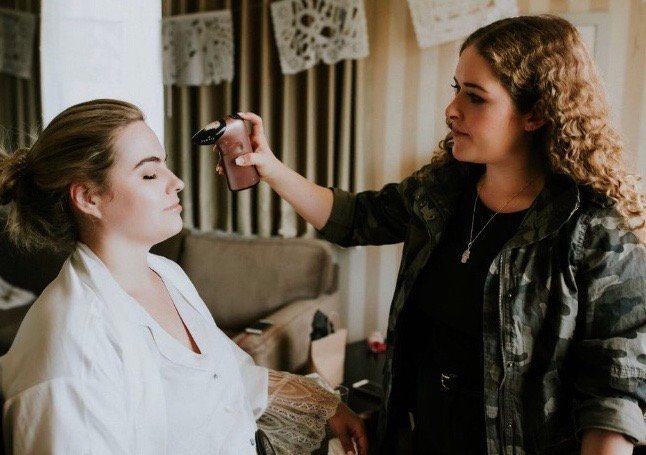
Even with careful planning, your wedding day may bring excitement, warmth, and strong emotions. These can affect how your skin looks, and it is not possible to predict exactly how your complexion will behave throughout the event.
I cannot guarantee that makeup will prevent redness or remain unchanged for a set number of hours. What I can do is prepare carefully, adjust the application to your skin’s appearance on the day, and leave room for practical touch-ups.
Here is how I approach the wedding morning:
- I arrive with enough time for an unrushed setup, which typically takes about 15 to 20 minutes.
- I use my professional lighting setup to assess your complexion clearly, even when the room’s lighting is not ideal.
- I adjust the makeup approach if your skin looks or feels different from how it did during your trial.
- I apply thin layers and set selectively to avoid unnecessary product buildup.
- I finish with appropriate setting techniques to support the overall look through the ceremony, photographs, and reception.
A few habits on your end can also help keep the morning comfortable:
- Avoid introducing new skincare or makeup products that morning.
- Follow your normal routine and any guidance provided by your healthcare professional.
- Eat something before you begin getting ready.
- Tell me promptly if a product feels uncomfortable.
- Keep any familiar skincare products available if they are part of your established routine.
I also provide every bride with a complimentary touch-up kit containing lipstick, powder, and blotting sheets. It gives you a convenient way to refresh your makeup when needed, although it is not a treatment for redness or irritation.
Because I am fully mobile, I come to you, whether that is a private home, hotel suite, resort room, or estate. You avoid the salon commute, your getting-ready party can stay together, and your morning can follow the schedule you have planned.
I generally plan around 60 to 90 minutes for the bride’s makeup and 45 to 60 minutes for each bridesmaid’s makeup, adjusting for the services required and the size of the group. For larger parties, I can bring additional artists so everyone is ready on schedule without cutting corners on the bride’s application.
You can see my soft, natural style in the Brittany Brown Beauty portfolio and learn more about my background and training, including my training at Empire Academy of Makeup in Orange County.
Plan Your Bridal Makeup
Your wedding makeup should reflect your personal style while taking your skin’s needs into consideration. Brittany Brown Beauty offers personalized bridal makeup, with time to discuss your preferred coverage, desired finish, and any sensitivities or concerns before your wedding day.
A consultation is the perfect place to discuss your vision, review your options, and determine whether a bridal trial would help you feel more prepared. You can also explore the bridal hair and makeup services to find the right fit for your wedding plans.
Ready to plan your bridal look? Contact Brittany Brown Beauty with your wedding date, venue, and makeup preferences to discuss your needs and check availability. Spring and fall weekends in Orange County book out well in advance, so reaching out once your venue and date are confirmed is a great place to start. Your date is secured with a signed contract and deposit.
Frequently Asked Questions
Maintain a consistent skincare routine in the weeks before your wedding and stick with products your skin already tolerates comfortably. Avoid introducing unfamiliar skincare products and treatments during the final 10 days. If you have a diagnosed skin condition or concerns about irritation, ask your healthcare professional for guidance before changing your routine.
Wear time depends on your skin, the weather, and how active your day is, so I do not promise a set number of hours. I plan carefully with appropriate preparation, product choices, and finishing techniques to support the look. Every bride also receives a complimentary touch-up kit with lipstick, powder, and blotting sheets.
Yes. I adapt my approach according to your complexion, features, preferences, and the products your skin already tolerates. Your bridal trial gives us an opportunity to assess the appearance and comfort of the makeup and adjust the finish before your wedding day.
Yes. Share any known sensitivities, previous reactions, recent treatments, and products that have caused problems in the past. This information helps your artist plan more carefully. For medical questions about rosacea or persistent redness, consult your doctor or a qualified skincare professional.
I focus on targeted color correction and thin layers of foundation rather than automatically covering the entire face with heavy makeup. The goal is a more even-looking complexion while preserving a natural finish. Your trial allows us to assess how the approach looks on your skin and in photographs.